
 by Sally Fox-Price
The Ultimate Guide To Booklice: Identification, Treatment & More
Booklice, also known as book mites, are a common insect pest that can cause significant damage to properties. While they are not dangerous to humans, booklice can cause significant damage to property, and can be an issue for homes and commercial sites that have a lot of books, old documents and other paper products.
From stately homes to estates, offices and even shops, booklice can be a nuisance, which is why fast identification and treatment is vital.
At Mission Pest Control, we can treat booklice and other mites with our cutting-edge heat treatment solutions. Drawing on our expertise, we’ve put together this guide to booklice, signs of an infestation and how to treat infested items quickly to reduce potential damage.
What Are Booklice?
Booklice (psocids) are minute insects of just 1-2mm in length with thin, pale brown bodies and black eyes. They don’t have wings, but do have small, scale-like remnants of wings, as well as long antennae on either side of their heads.
While they aren’t parasitic or dangerous to humans, booklice cause issues because as well as microscopic fungi, mildew and mould, they also eat paper, book glue, cardboard, and other paper products.
Additionally, booklice can eat dried foods, such as flour, grains, pasta and others. As such, they can contaminate food and cause damage to books, wallpaper and other items.
Booklice thrive in damp environments, meaning they are often found in old houses and storage areas such as attics or basements.
Signs Of A Booklice Infestation
Because of their tiny size, it can be difficult to see booklice with the naked eye. You may notice them on light coloured walls, books or in food jars. Some other signs of a booklice infestation include:
- Stained And Damaged Books: Books are often an easy way to see booklice, as they appear as small specks, and you may also notice staining or small bite marks on your books.
- Eggs: Booklice eggs are white, tiny and sticky, and can often be seen on dark wallpaper or surfaces.
- Damp And Mould: Booklice thrive in humid conditions, so if a room has high humidity levels, then combined with other signs then this could indicate the presence of booklice.
How To Get Rid Of Booklice
If you have a booklice infestation, then you need professional treatment. DIY bug bombs are often ineffective, and unable to penetrate the tight hiding places used by booklice.
As such, you might not completely remove the booklice with DIY treatments. Heat treatment from Mission Pest Control can be a simple, effective way to treat booklice infestations of all sizes.
Heat treatment for booklice and other insects, including bed bugs, fleas, cockroaches, moths, carpet beetles and others, works by creating a sealed space around the infested area, whether that’s a room or a specific piece of furniture.
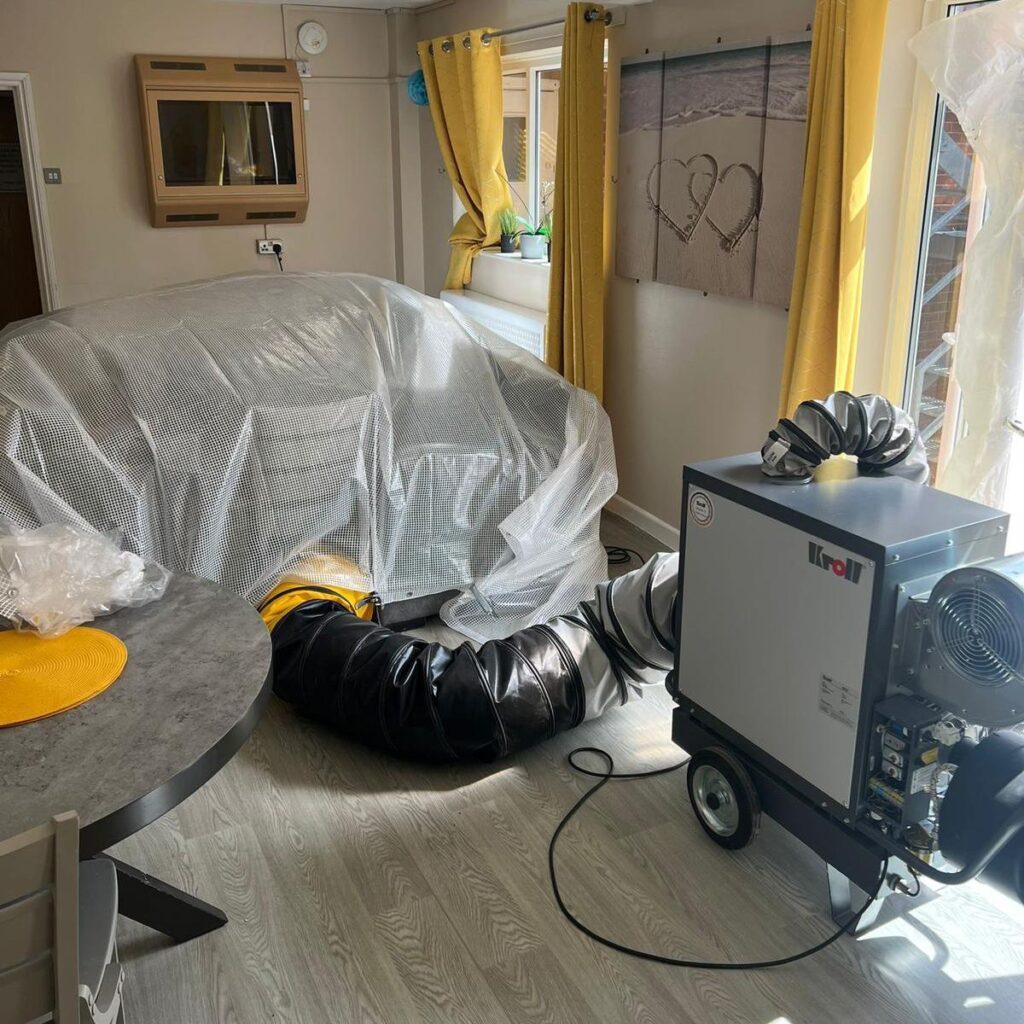
Specialised equipment is then used to heat the air inside the sealed space to a temperatures high enough to be lethal to pests, usually 50°C to 60°C (122°F to 140°F).
Once the heat reaches the required temperature, the insects will be killed while the surrounding building and furniture will remain unharmed, with no toxic chemicals. As such, it’s a simple way to get rid of booklice quickly and completely.
How To Prevent Booklice
Booklice aren’t a sign of a dirty property, and often live in clean spaces. As such, just cleaning isn’t enough to prevent booklice. Some simple ways to reduce your chances of a booklice infestation include:
- Reduce Humidity: As booklice prefer humid, damp areas, using a dehumidifier and opening windows to reduce humidity levels can be an ideal way to prevent booklice.
- Limit Access To Food Sources: Make sure you remove any paper products that are infested with mildew and store dried foods in airtight containers.
- Improve Ventilation: Make sure your property is well-ventilated to reduce the chances of damp and make the space less comfortable for booklice.
- Be Vigilant: If you notice booklice on any documents or items, make sure they are removed and book professional pest control to treat the surrounding area as soon as possible.
Insects That Can Be Mistaken For Booklice
Being tiny, booklice are often mistaken for other species of bugs and mites, including:
- Dust Mites: Dust mites are similar to booklice, but much smaller, at just 0.2–0.3 mm in length, making them half the size of even adult booklice. As such, you won’t see dust mites, but you may notice signs of them, which can be similar to those of a booklice problem. Dust mites eat human skin flakes, or dust, and often occur in dirty homes. Dust mites can cause serious allergies, so it’s essential that you treat a dust mite infestation fast.
- Head Lice: Head lice have a similar body shape to booklice, but head lice are darker in colour as they bite humans to feed on blood, and usually live on their heads, rather than in books. While you might confuse head lice with booklice if you see just the one, you should soon be able to notice the difference.
- Silverfish: Silverfish also thrive in damp, humid areas, and can eat paper products and book glue, but they do look very different to book lice if seen. Silverfish often look like flashes of silver, and have thin, metallic bodies with long antennae and 6 legs.
- Bed Bug Nymphs: While booklice are much smaller than adult bed bugs, they can sometimes be mistaken for bed bug nymphs. The main difference is that bed bugs are flat and oval, and darker in colour, as they, like head lice, bite humans and feed on blood. As such, bed bugs are significantly more dangerous and irritating than booklice, but they are less destructive to property.
If you’re unsure if you have booklice or another insect pest, Mission Pest Control can identify the species you’re dealing with and provide guidance on the best way to remove them.
Book Booklice Treatment Today
Booklice can be an irritating insect pest, so it’s important that you get rid of them quickly. Unlike many other insect species, booklice don’t have a larval stage, but instead once the eggs hatch, they have multiple nymph stages.
Unlike larvae and pupa, nymphs are young mites that have the ability to move and hide in tight cracks and crevices throughout your property, and they need to feed regularly in order to grow. As such, booklice can be highly destructive and difficult to kill.
Thankfully, Mission Pest Control provides expert heat treatment to get rid of booklice permanently. Our non-toxic heat treatment is guaranteed to remove booklice at all life cycle stages, as well as other mites and bugs.
If you’re ready to eliminate booklice for good, with minimal disruption and no chemicals, contact us on 01793 379333 or by emailing hello@missionpestcontrol.co.uk to book professional heat treatment throughout Swindon and the surrounding area.